

What Is the Retina?
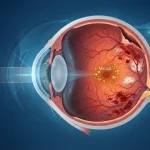
The retina is a thin layer of light-sensitive tissue located at the back of the eye. It contains millions of nerve cells that receive light and convert it into electrical signals, which are then transmitted through the optic nerve to the brain, where they are interpreted as images.
A healthy retina is essential for maintaining normal vision. Therefore, any damage or disorder affecting the retina can result in varying degrees of visual impairment.
What Are Retinal Diseases?
The term retinal diseases refers to a group of conditions that affect the retinal tissue or the blood vessels that supply it. These conditions may develop as a result of aging, chronic diseases such as diabetes and high blood pressure, genetic factors, or direct injuries to the eye.
The severity of retinal diseases varies from one patient to another. Some conditions are mild and can be treated easily, while others require immediate medical intervention to preserve vision.
Common Retinal Diseases
Diabetic Retinopathy
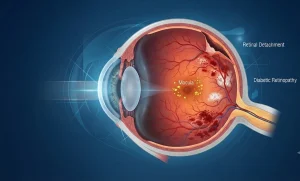
Diabetic retinopathy is one of the most common retinal diseases. It occurs when high blood sugar levels damage the tiny blood vessels within the retina.
Over time, these damaged blood vessels may leak fluid or blood, leading to blurred vision or even vision loss if left untreated.
The main risk factors include:
- Having diabetes for a long period.
- Poor blood sugar control.
- High blood pressure.
- High cholesterol levels.
- Pregnancy in women with diabetes.
Age-Related Macular Degeneration (AMD)
Age-related macular degeneration affects the central part of the retina, known as the macula, which is responsible for the detailed vision needed for reading, driving, and recognizing faces.
It is one of the leading causes of vision loss among older adults.
Its symptoms include:
- Blurred central vision.
- Straight lines appearing wavy or distorted.
- Difficulty reading.
- Increased need for brighter lighting.
Retinal Detachment
Retinal detachment is considered a medical emergency. It occurs when the retina separates from the underlying tissue that nourishes it, putting vision at serious risk if prompt treatment is not provided.
Its most common symptoms include:
- Seeing flashes of light.
- A sudden appearance of black floating spots (floaters).
- The sensation of a dark curtain covering part of the visual field.
- Sudden loss or decrease in vision.
Retinal Blood Vessel Occlusion
A blockage may occur in the artery or vein supplying the retina, leading to reduced blood flow and sudden vision loss.
The risk is higher in individuals with:
- High blood pressure.
- Diabetes.
- Heart disease.
- High cholesterol.
Macular Hole
A macular hole is a small opening that develops in the center of the retina and significantly affects central vision.
Patients may notice:
- Blurred vision.
- Difficulty reading.
- Wavy or distorted lines.
-
Epiretinal Membrane
An epiretinal membrane develops when a thin layer of tissue grows over the surface of the retina, causing it to contract and gradually distort vision.
Causes of Retinal Diseases
Several factors may contribute to the development of retinal diseases, including:
- Diabetes.
- High blood pressure.
- Aging.
- Severe myopia (high nearsightedness).
- Direct eye injuries.
- Genetic factors.
- Intraocular infections.
- Autoimmune diseases.
- Smoking.
- High cholesterol levels.
Symptoms of Retinal Diseases
Symptoms vary depending on the specific condition, but the most common include:
- Blurred vision.
- Reduced central vision.
- Loss of part of the visual field.
- Seeing black spots or floating objects (floaters).
- Flashes of light.
- Distorted straight lines.
- Sudden decrease in visual acuity.
- Difficulty seeing at night.
None of these symptoms should be ignored, especially if they appear suddenly.
When Should You See an Eye Doctor?
You should seek immediate medical attention if you experience:
- Sudden vision loss.
- A sudden increase in floaters.
- Repeated flashes of light.
- Severe blurred vision.
- The sensation of a shadow or curtain covering part of your vision.
Early intervention can help save vision and prevent further progression of the disease.
How Are Retinal Diseases Diagnosed?
Ophthalmologists rely on several advanced diagnostic tests to accurately identify retinal diseases, including:
Dilated Fundus Examination
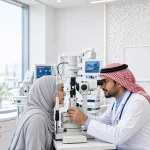
This examination is performed after dilating the pupil, allowing the ophthalmologist to clearly examine the retina, optic nerve, and retinal blood vessels.
Optical Coherence Tomography (OCT)
OCT provides highly detailed cross-sectional images of the retinal layers and is particularly useful in diagnosing macular diseases and diabetic retinopathy.
Fluorescein Angiography
This imaging test is used to detect leakage or blockages in the retinal blood vessels.
Digital Fundus Photography
Digital retinal imaging helps monitor disease progression and compare current findings with previous examinations.
The Latest Treatment Options for Retinal Diseases
Treatment depends on the specific retinal condition and its severity and may include:
Intravitreal Injections
These injections are commonly used to treat:
- Diabetic retinopathy.
- Age-related macular degeneration.
- Macular edema.
They help reduce the growth of abnormal blood vessels and decrease fluid accumulation within the retina.
Laser Treatment
Laser therapy can help:
- Treat leaking retinal blood vessels.
- Reduce complications of diabetic retinopathy.
- Seal certain retinal tears before they progress to retinal detachment.
Retina and Vitreous Surgery
Surgical treatment may be necessary in cases of:
- Retinal detachment.
- Vitreous hemorrhage.
- Macular hole.
- Certain advanced complications of diabetic eye disease.
Can Retinal Diseases Be Prevented?
Although not all retinal diseases can be prevented, maintaining a healthy lifestyle can significantly reduce the risk. Important preventive measures include:
- Keeping blood sugar levels under control.
- Managing blood pressure.
- Maintaining healthy cholesterol levels.
- Quitting smoking.
- Following a balanced diet rich in fruits and vegetables.
- Engaging in regular physical activity.
- Undergoing routine eye examinations, especially for individuals with diabetes and older adults.
Why Is Early Diagnosis Important?
Early diagnosis is essential because many retinal diseases begin without noticeable symptoms. By the time symptoms appear, the disease may have already progressed to an advanced stage.
Routine eye examinations allow retinal conditions to be detected early, increasing the chances of successful treatment and preserving vision.
Why Choose Nim Medical Center for Retinal Disease Treatment?
At Nim Medical Center, we are committed to providing specialized retinal care through:
- Experienced ophthalmologists specializing in the diagnosis and treatment of retinal diseases.
- Advanced imaging and diagnostic technologies that provide highly accurate results.
- Personalized treatment plans tailored to each patient’s individual condition.
- Regular follow-up appointments to monitor treatment response and disease progression.
- Patient education focused on preventing complications and maintaining long-term eye health.
Frequently Asked Questions About Retinal Diseases
Do all retinal diseases lead to vision loss?
Not necessarily. Many retinal conditions can be effectively managed or treated when they are detected early and patients follow the recommended treatment plan.
Are people with diabetes at a higher risk of developing retinal diseases?
Yes. Diabetes is one of the most significant risk factors for retinal diseases. Therefore, people with diabetes are advised to undergo regular retinal examinations, even if they do not experience any symptoms.
Can retinal detachment be treated?
Yes. However, retinal detachment requires immediate medical attention. The earlier treatment is provided, the greater the chances of preserving vision.
Are routine eye examinations necessary?
Absolutely. Routine eye examinations are especially important for people over the age of 50, individuals with diabetes or high blood pressure, and those with a family history of retinal diseases.
Conclusion
Retinal diseases encompass a wide range of conditions that can significantly affect vision. Fortunately, advances in diagnostic techniques and treatment options have greatly improved the ability to preserve vision and reduce the risk of complications. Early detection and regular follow-up with an ophthalmologist remain among the most important factors for successful treatment.
At Nim Medical Center, we are committed to providing comprehensive retinal care, from accurate diagnosis to the latest treatment options, while ensuring continuous follow-up for every patient according to the highest medical standards. If you are experiencing any changes in your vision or belong to a high-risk group, do not hesitate to book an appointment for a comprehensive eye examination and ensure the health of your retina.